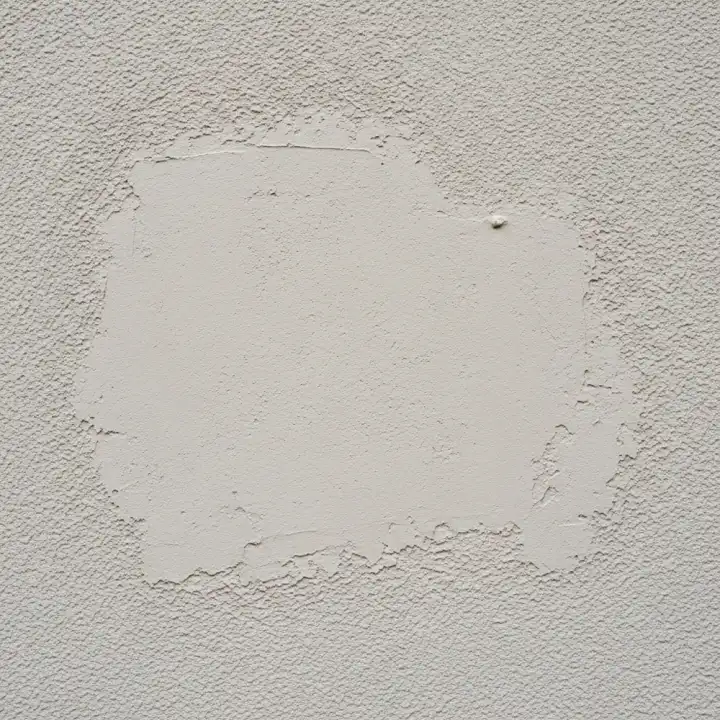
Texture Matching & Repair

Texture Matching & Repair

Seamless texture matching for patches and repairs.

About This Service

Visible patches ruin your home's appearance. Our texture matching expertise ensures repairs blend seamlessly with surrounding stucco. Whether you have skip trowel, dash, lace, or custom textures, we match it perfectly so repairs are invisible.

What's Included

  • All texture types matched
  • Historic texture replication
  • Custom texture creation
  • Patch blending
  • Color matching included
  • Large area consistency

Our Process

01

Texture Analysis

Document existing texture pattern, depth, and application method.

02

Sample Creation

Create test samples to match before applying to your home.

03

Surface Prep

Prepare repair areas with proper base coats.

04

Texture Application

Apply matched texture using appropriate tools and techniques.

05

Color Blend

Apply matching color coat for seamless integration.

Benefits

  • Invisible repairs
  • Consistent appearance
  • No patchwork look
  • Maintains home value
  • Professional finish

Frequently Asked Questions

Can you match my 30-year-old stucco texture?

Yes, our experienced craftsmen can match virtually any texture, including older and discontinued patterns. We study your existing texture and replicate it precisely.

Why do my current patches look different?

Poor texture matching is common with inexperienced contractors. We use proper techniques and take time to get perfect matches.

Do you match color too?

Yes, texture matching always includes color matching. We use custom-tinted materials to blend with your existing stucco color.

Texture matching

Texture matching with a written repair scope

Texture matching is most useful when a homeowner sees repair lines, patch texture differences, access openings, old repairs, and areas where the color is close but the surface still looks wrong. Those signs can be cosmetic, but they can also point to moisture movement, failed material, or previous work that did not bond correctly. Stucco Home Repair starts with a free inspection so the repair is based on the condition of the wall instead of a guess from a photo.

The inspection looks at the damaged area and the details around it: windows, doors, trim, roof returns, lower wall edges, penetrations, sealant, and existing patch lines. In Northeast Florida, rain, humidity, salt air, irrigation, and strong sun can all change how stucco fails. A small crack or stained patch should be checked before new material is placed over a problem that is still active.

For texture matching, the field work can include studying the sand profile, float pattern, finish depth, surrounding coating, and transition points before applying the final texture. The crew explains what needs to be opened, what can stay in place, where the finish will be blended, and whether related issues such as sealant, moisture, or older patches should be corrected at the same time. That keeps the project focused while still protecting the wall.

Texture and color matching are part of the decision. A repair can be technically sound and still look unfinished if the surface profile, sand size, finish pattern, or aged color is ignored. Stucco Home Repair studies the surrounding stucco and recommends a repair boundary that gives the finished area the best chance of blending with the existing exterior.

This service is a good fit for repairs that need to blend into the wall instead of looking like a separate patch. If the surrounding wall is solid and dry, a targeted repair may be enough. If the inspection finds hollow areas, trapped moisture, widespread finish wear, or several older patches, the better recommendation may be a broader repair, fog coat, color change, or full refinishing plan. The homeowner gets that explanation before work begins.

A written scope is useful whether you are maintaining your home, preparing to sell, buying a property, or responding to an inspection report. It documents the repair area, the recommended method, appearance expectations, and written warranty details. That gives you a clearer record than a quick verbal estimate and helps prevent small stucco problems from becoming repeat repairs.

Stucco Home Repair serves St. Augustine, Jacksonville, Ponte Vedra, Nocatee, Palm Coast, Flagler, and nearby Northeast Florida communities. Call (904) 526-2075 to request a free inspection and find out whether texture matching is the right path for your exterior.

Best fit

repairs that need to blend into the wall instead of looking like a separate patch.

Repair focus

studying the sand profile, float pattern, finish depth, surrounding coating, and transition points before applying the final texture.

Homeowner result

A clear inspection, written scope, texture and color guidance, and warranty details before the stucco work begins.

Texture blend

Texture matching is the part of repair people notice first

Texture matching is not the same task as color matching. A repair can have the right color and still look wrong because the surface is too flat, too sandy, too heavy, or floated in a different direction. Stucco Home Repair treats texture as a visible finish detail that must be planned from the base repair forward, not added as an afterthought at the end.

The crew studies the existing stucco profile before applying the final coat. Lace, knockdown, sand, float, and smoother finishes all respond differently to sunlight. Older coatings and previous repairs can also change the way texture reads. If the patch is on a front elevation or near an entry, the repair boundary may need to be adjusted so the transition is less obvious.

Texture matching is often needed after window work, plumbing access, crack repair, impact damage, and old patch removal. The preparation determines whether the new texture can sit at the right depth. If the underlying patch is too shallow or too proud of the wall, the finish will reveal that shape even if the pattern is close.

The best texture match is usually a combination of craft and scope control. A small repair can blend well when the wall is forgiving and the damaged area is placed near a natural break. A flat, sunlit wall may need a larger blend area. The inspection helps set that expectation so homeowners are not surprised by the recommended repair size.

Profile match

Sand size, finish depth, and float pattern are checked before texture is applied.

Repair depth

The base patch must be built correctly or the texture will reveal the repair shape.

Light exposure

Sunlit walls may require a different blend strategy than shaded elevations.

Call NowFree Estimate