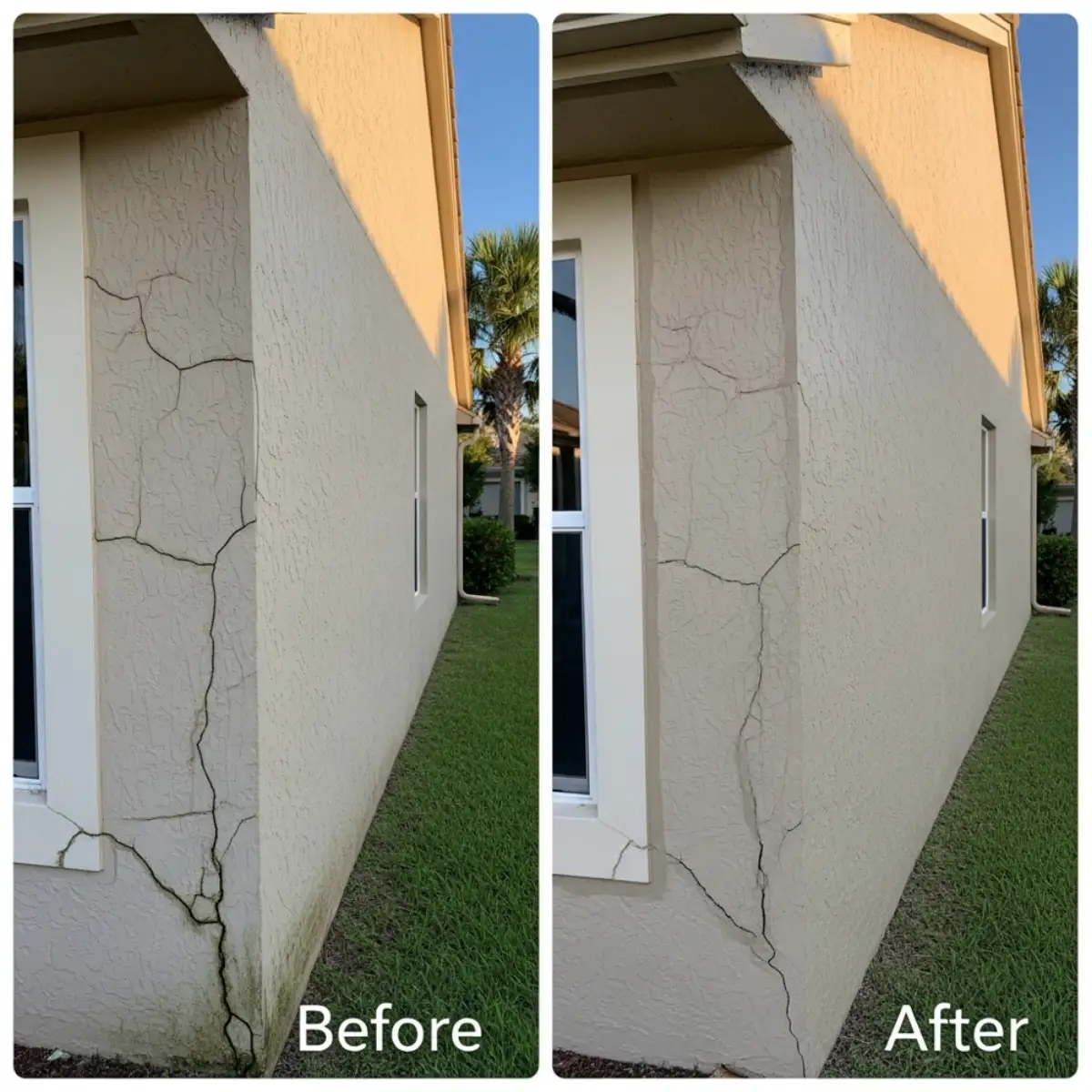
Water Damage Repair

Water Damage Repair

Remediation of stucco water intrusion and moisture damage.

About This Service

Water behind stucco is a serious problem in Florida's climate. It leads to mold, wood rot, and structural damage. Our water damage repair service identifies entry points, removes damaged materials, dries the structure, and rebuilds with proper waterproofing to prevent future problems.

What's Included

  • Moisture detection and mapping
  • Source identification
  • Damaged material removal
  • Structural drying
  • Wood rot repair
  • Waterproof rebuilding

Our Process

01

Moisture Testing

Use moisture meters and thermal imaging to map water intrusion.

02

Source Investigation

Find where water is entering-often windows, flashings, or cracks.

03

Removal

Remove damaged stucco and any rotted substrate materials.

04

Dry Out

Ensure complete drying before any repairs begin.

05

Rebuild

Restore with proper moisture barriers and quality stucco application.

Benefits

  • Stops ongoing damage
  • Eliminates mold risk
  • Protects home structure
  • Prevents future intrusion
  • Peace of mind

Frequently Asked Questions

How do I know if water is getting behind my stucco?

Signs include bubbling or soft stucco, dark staining, musty odors, interior water stains, and visible mold. We can test with moisture meters to confirm.

Is water damage covered by insurance?

Sometimes. Sudden water intrusion may be covered, but long-term moisture issues typically aren't. We can document damage for insurance claims.

How do you prevent future water problems?

We install proper flashings, weep screeds, and moisture barriers. We also address grading and drainage issues that contribute to water problems.

Water damage repair

Water damage repair with a written repair scope

Water damage repair is most useful when a homeowner sees staining, bubbling, soft stucco, hollow areas, mildew near cracks, failed patches after rain, and suspected water intrusion. Those signs can be cosmetic, but they can also point to moisture movement, failed material, or previous work that did not bond correctly. Stucco Home Repair starts with a free inspection so the repair is based on the condition of the wall instead of a guess from a photo.

The inspection looks at the damaged area and the details around it: windows, doors, trim, roof returns, lower wall edges, penetrations, sealant, and existing patch lines. In Northeast Florida, rain, humidity, salt air, irrigation, and strong sun can all change how stucco fails. A small crack or stained patch should be checked before new material is placed over a problem that is still active.

For water damage repair, the field work can include finding the water path, removing damaged material, repairing the base, sealing vulnerable transitions, and matching the restored finish. The crew explains what needs to be opened, what can stay in place, where the finish will be blended, and whether related issues such as sealant, moisture, or older patches should be corrected at the same time. That keeps the project focused while still protecting the wall.

Texture and color matching are part of the decision. A repair can be technically sound and still look unfinished if the surface profile, sand size, finish pattern, or aged color is ignored. Stucco Home Repair studies the surrounding stucco and recommends a repair boundary that gives the finished area the best chance of blending with the existing exterior.

This service is a good fit for stucco damage where sealing the surface without checking moisture would risk repeat failure. If the surrounding wall is solid and dry, a targeted repair may be enough. If the inspection finds hollow areas, trapped moisture, widespread finish wear, or several older patches, the better recommendation may be a broader repair, fog coat, color change, or full refinishing plan. The homeowner gets that explanation before work begins.

A written scope is useful whether you are maintaining your home, preparing to sell, buying a property, or responding to an inspection report. It documents the repair area, the recommended method, appearance expectations, and written warranty details. That gives you a clearer record than a quick verbal estimate and helps prevent small stucco problems from becoming repeat repairs.

Stucco Home Repair serves St. Augustine, Jacksonville, Ponte Vedra, Nocatee, Palm Coast, Flagler, and nearby Northeast Florida communities. Call (904) 526-2075 to request a free inspection and find out whether water damage repair is the right path for your exterior.

Best fit

stucco damage where sealing the surface without checking moisture would risk repeat failure.

Repair focus

finding the water path, removing damaged material, repairing the base, sealing vulnerable transitions, and matching the restored finish.

Homeowner result

A clear inspection, written scope, texture and color guidance, and warranty details before the stucco work begins.

Moisture repair

Water-damaged stucco has to dry out in the plan, not just on the surface

Water damage repair begins by asking where the water entered. The source may be an open crack, failed sealant, a window edge, roof runoff, a balcony transition, a wall penetration, or lower stucco exposed to irrigation. If that path stays open, a new patch can fail even when the surface looks clean on the day the work is finished.

Stucco Home Repair checks stains, bubbling, soft areas, mildew, hollow sounds, and repeated patch failures. The crew may need to remove damaged finish so the extent of the problem can be seen. Once failed material is removed and the vulnerable transition is addressed, the wall can be rebuilt and finished with texture and color that match the surrounding exterior.

Water damage is different from a cosmetic stain. It can affect the bond of the stucco, the base layer, and the way the wall dries after storms. Northeast Florida humidity can keep a compromised area active longer than expected. A written scope helps homeowners understand what is being opened, why it is being removed, and what will be sealed before the finish is restored.

The finished repair should make the exterior look better, but appearance is not the only goal. The wall should be more resistant to the same water path that caused the damage. The crew can also point out maintenance items such as sealant, drainage, and irrigation spray so the repaired area has a better chance of staying sound.

Water path

The likely source of moisture is identified before the finish is rebuilt.

Material removal

Soft, hollow, or failed stucco may need to be opened rather than covered.

Long-term result

The repair addresses both appearance and the condition that let water enter.

Call NowFree Estimate